At home
Daily living, companionship, personal care, meals, respite and household support in familiar surroundings.
Now welcoming care inquiries in Edmonton and nearby communities.
carelandinc@hotmail.comPrivate home care · Edmonton, Alberta
Warm, dependable support for seniors, adults, children and families—at home, in hospital and in other care settings.


The Careland approach
Good care starts by listening. We learn what a comfortable day looks like, what the family is carrying and where support would make the biggest difference.
Careland brings practical help and steady companionship into everyday life. Care may be arranged in a private home, during a hospital stay, after discharge, or in a retirement or long-term care setting. Every arrangement is confirmed according to assessed needs, caregiver qualifications and availability.
Care beyond one address
Careland can remain part of the routine when a client moves between home, hospital and another care setting.
Daily living, companionship, personal care, meals, respite and household support in familiar surroundings.
Non-clinical bedside companionship, family relief and practical help before and after discharge, as permitted by the facility.
Additional one-to-one attention, outings, mealtime help and companionship alongside the setting’s existing care team.
Our services
Select any service to read the full description. More than one service can be combined into a single care plan.
01Companion care brings friendly, dependable support into everyday life. A caregiver can spend meaningful time with your loved one, help them stay involved in favourite routines and make it easier to get out into the community. The plan is shaped around the person—not a rushed checklist of tasks.
 02
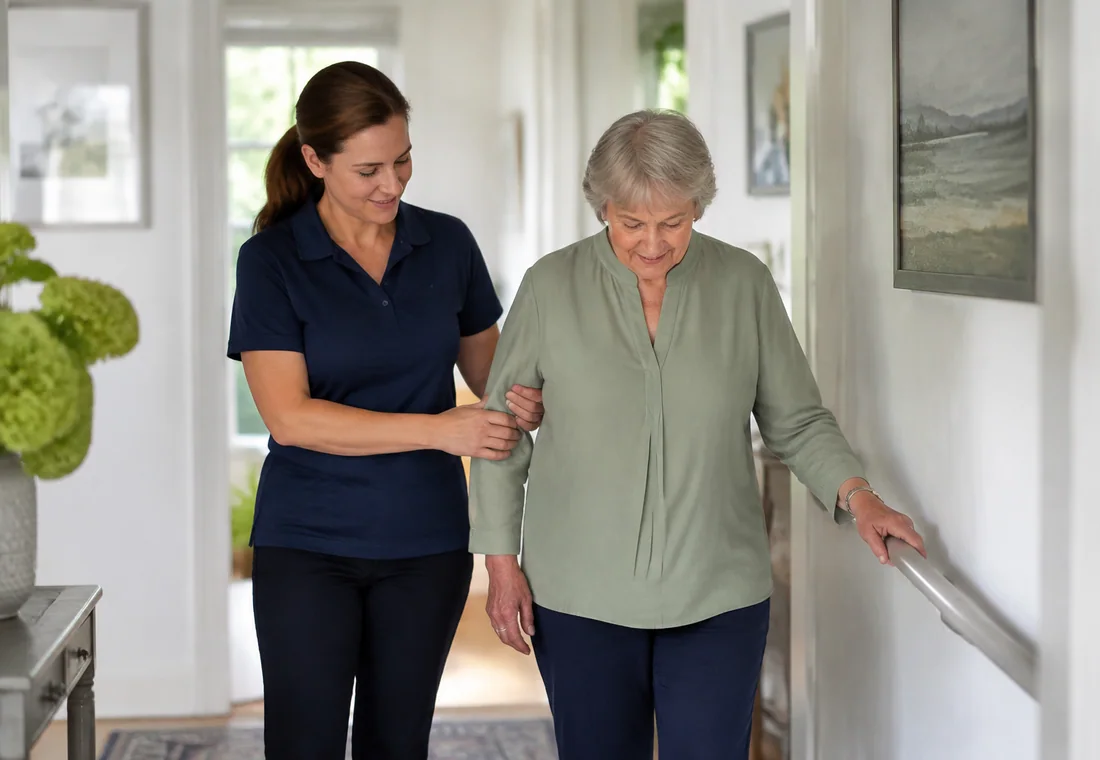
02Personal care is provided with privacy, patience and respect for each person’s preferences. Support may range from a little help getting ready in the morning to more involved assistance throughout the day. Tasks are assigned only when they match the caregiver’s training and the agreed care plan.
 03
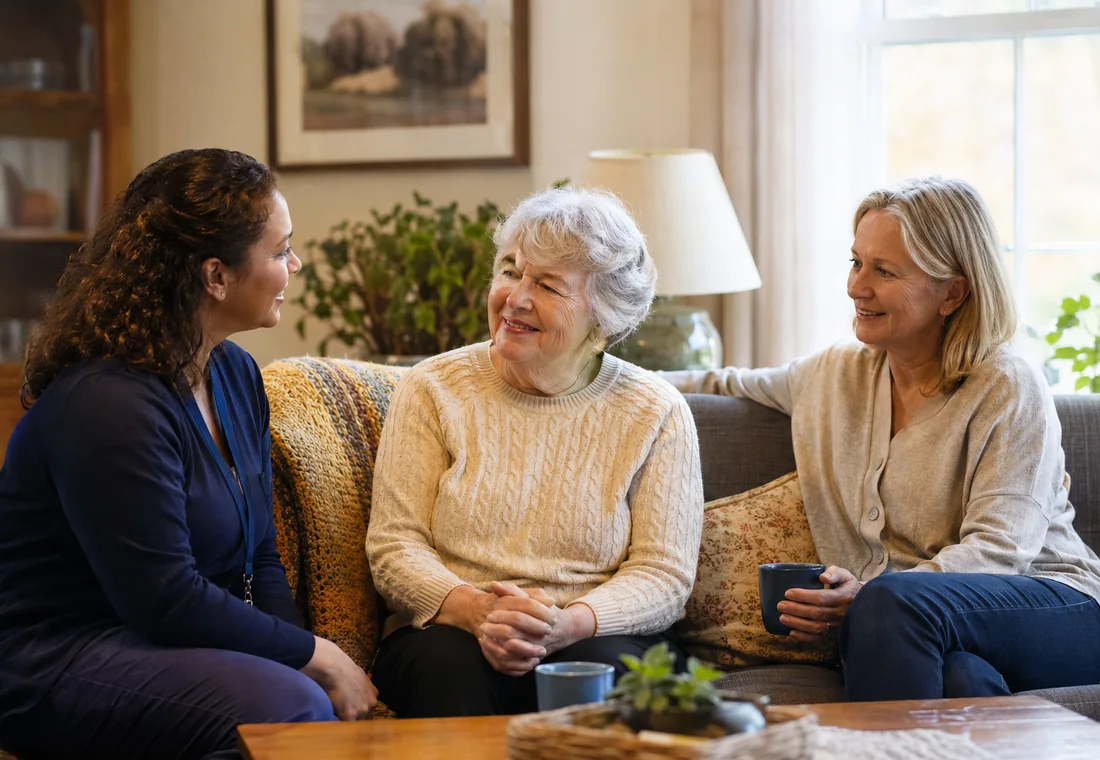
03Family caregivers need support too. Respite care provides temporary coverage while you attend an appointment, go to work, take a break or travel. Care can follow the routines you already know work well, helping your loved one feel comfortable while you step away with greater peace of mind.
04Dementia can change memory, communication, behaviour and the rhythm of family life. Careland focuses on a steady approach: learning the person’s history, preferences, comforts and triggers, then supporting the routines that help the day feel more familiar and manageable.
05Alzheimer’s care is adjusted as needs change. We support familiar daily patterns, offer reassuring redirection and help with personal care, meals and meaningful activity. Families can share what matters most so the caregiver understands the person beyond the diagnosis.
06Living with Parkinson’s can make ordinary tasks take more time and energy. Support is paced around the individual, with attention to mobility, rest, meals and personal routines. Careland works alongside the client, family and existing health professionals rather than replacing clinical therapy or nursing care.
07ALS can bring changing needs over time. Careland can provide non-clinical daily support and coordinate the care routine around instructions from the client’s health team. The exact level of assistance depends on assessment, equipment, worker qualifications and the family’s existing supports.
 08
08The effects of a traumatic brain injury can be physical, cognitive, emotional or behavioural. Care is guided by the individual plan, established strategies and family or clinical direction. A consistent routine and clear communication can make daily life easier to navigate.
09The first days home after a hospital stay can be demanding. Careland can help follow the non-clinical parts of the discharge routine, keep essentials within reach and support meals, mobility, reminders and follow-up appointments. Clinical tasks remain with appropriately authorized health professionals.
10Recovery often requires more help than expected with meals, movement, housekeeping and personal routines. We create a practical schedule around the surgeon’s instructions and the family’s availability. Careland support does not replace medical follow-up, wound care or other regulated services unless separately arranged with a qualified professional.
 11
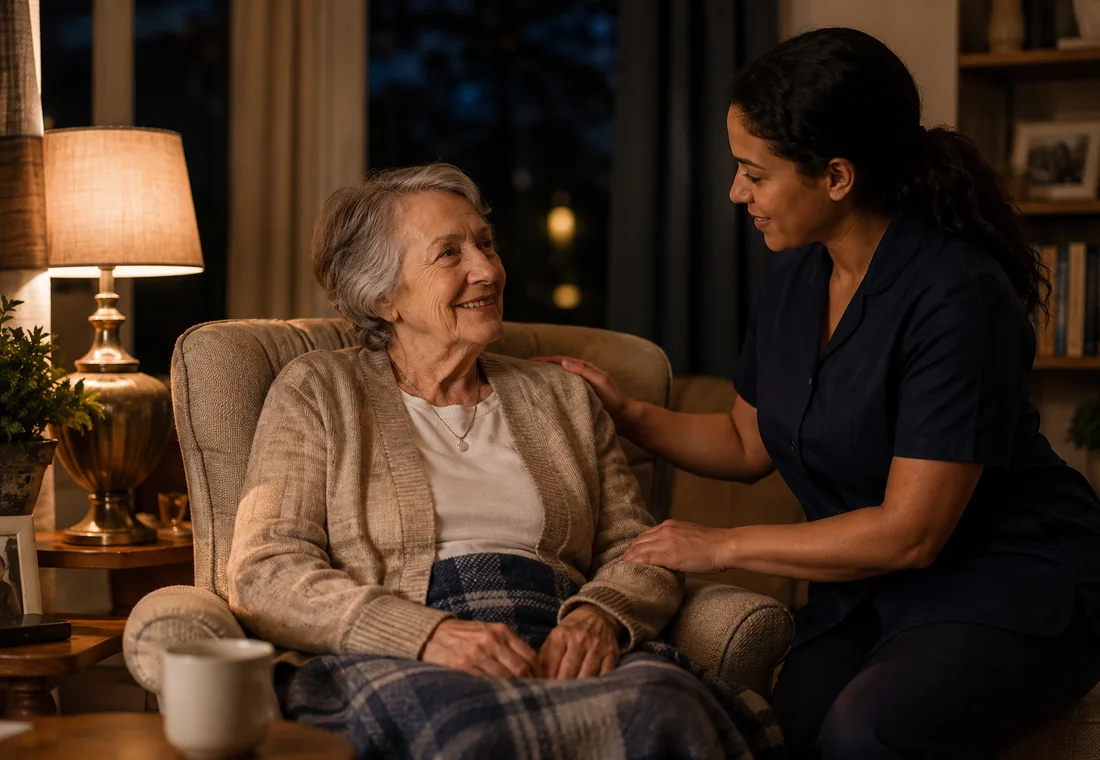
11Overnight care can support someone who wakes frequently, needs help reaching the bathroom, feels anxious at night or is newly home from hospital. The assessment determines whether the shift requires awake support or another agreed overnight arrangement, subject to staffing and the client’s needs.
12Twenty-four-hour care uses coordinated shifts so support remains available around the clock. It may be considered after a major health change, while waiting for placement, during palliative care or when a person cannot safely be left alone. Scheduling is built after assessment and depends on staffing availability.
13Live-in care offers continuity and familiarity for clients who benefit from a caregiver staying in the home. It is different from continuous awake 24-hour care: the arrangement includes agreed duties, suitable accommodations and required rest or break periods. We explain the difference clearly during planning.
14Careland’s role in palliative care is to add comfort, presence and everyday help alongside the client’s medical and palliative-care team. Support is centred on dignity, the person’s wishes and relief for family caregivers. Clinical symptom management remains with authorized health professionals.
15A manageable home can make daily life feel much easier. Careland provides light housekeeping connected to the client’s wellbeing and routine. This is ongoing home support rather than a deep-cleaning or heavy-maintenance service.
 16
16Careland can support families of children and youth who need additional help at home or in the community. Services are matched carefully to the child’s plan and the worker’s qualifications. Any complex clinical task must be completed by an appropriately regulated professional and specifically included in the care arrangement.
Service scope is confirmed after a care conversation and may depend on caregiver qualifications, the care setting, scheduling and availability. Careland does not replace emergency, physician or regulated clinical services.
A helpful starting point
Many families first notice small changes. A conversation can help turn those concerns into a practical plan.
Talk Through Your NeedsThis is not a medical assessment. It is simply a way to begin identifying everyday support needs.
How care begins
We start with what is happening now and build from there.
Share who needs support, where care is required, the schedule you have in mind and what is most important to the family.
We clarify routines, responsibilities, preferences, risks and the appropriate level of caregiver support.
Care starts once the arrangement is confirmed. The plan can be reviewed as the client’s needs or schedule changes.
What families can expect
The client’s voice, routines, privacy and independence stay at the centre of the plan.
We listen to the people who know the client best and agree on how updates should be shared.
We explain what is included, who is qualified to provide it and when another health professional is needed.
Support can begin with a few practical needs and change as the person’s situation develops.
Edmonton and surrounding communities
Careland is based in Edmonton. Nearby-community requests are welcomed and confirmed according to caregiver availability and the services required.
Check availability in your areaCareers at Careland
Interested in future caregiver opportunities? Introduce yourself and tell us about your qualifications and the kind of care work you do best.
Let’s talk about care
You do not need to know the exact service name. Describe the situation, and we will help identify the next practical step.